

Calligraphy and drawing are more than just creative expressions — they are visual languages that carry cultural stories, traditions, and historical identities. From ancient manuscripts to modern sketchbooks, these art forms have shaped and preserved civilizations for centuries. Today, in Delaware and across the globe, calligraphy and drawing continue to play a vital role in enriching cultural heritage and community engagement.
This article explores their influence, particularly within Delaware’s evolving cultural landscape, and connects their relevance to other traditional arts like printmaking in the modern age.
The Timeless Value of Calligraphy and Drawing
While technology continues to redefine the way we communicate and create, the manual precision and aesthetic beauty of calligraphy and hand drawing remain timeless. These artistic disciplines demand patience, technique, and a deep sense of observation — qualities that are essential for preserving authentic cultural narratives.
Unlike mass-produced digital images, hand-drawn lines and handwritten scripts are filled with human touch and individuality, making each creation a unique reflection of its time and place.
Calligraphy: The Art of the Written Word
Historical Roots Across Cultures
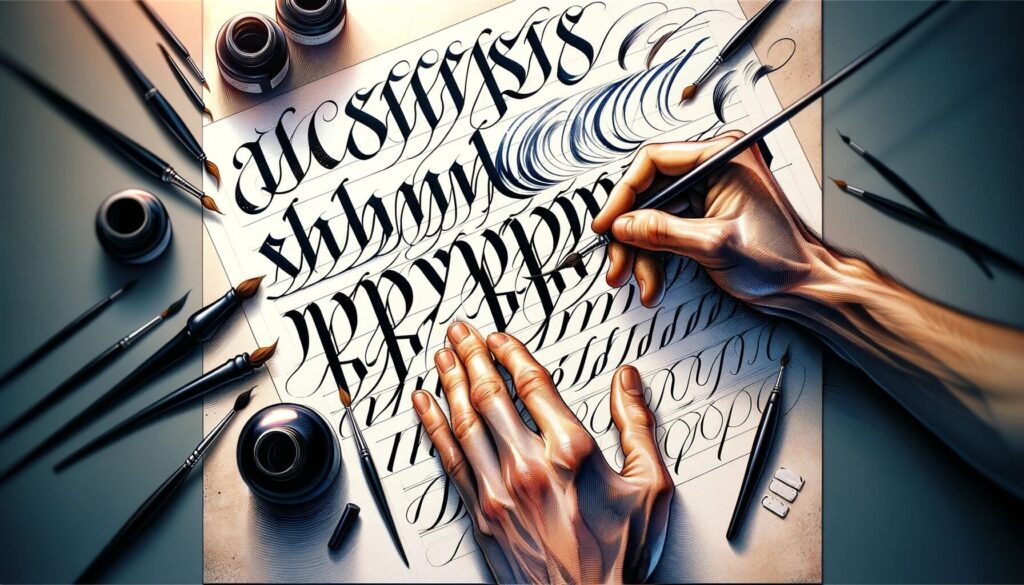
Calligraphy has deep roots in various cultures — from the intricate Arabic scripts and Chinese brush calligraphy to Western Gothic and Italic styles. In each context, it was used not only for communication but also for honoring the aesthetic and spiritual dimensions of language.
In early American history, handwritten documents, proclamations, and decorative calligraphy played a critical role in public and personal life. Delaware, as one of the original 13 colonies, has historical records enriched with elegant penmanship, reflecting the formal culture of its time.
Calligraphy in Contemporary Culture
In modern Delaware, calligraphy is being revived through art programs, cultural workshops, and school-based initiatives. Artists and educators now use calligraphy to:
- Teach students about history and handwriting
- Connect communities to their cultural roots
- Support mindfulness and creative therapy
This revival enhances both personal expression and public understanding of historical arts.
Drawing as a Cultural Storyteller
Drawing is often the first form of visual storytelling. Long before written language, people recorded events, beliefs, and dreams through images on cave walls and pottery. Over time, drawing evolved into a foundation for all visual art disciplines — including painting, sculpture, architecture, and even digital design.
Why Drawing Still Matters
Despite modern alternatives like photography and AI-generated imagery, hand drawing remains irreplaceable for its authenticity and personal interpretation. Each stroke tells a story, capturing emotion, motion, and meaning in a way machines can’t replicate.
In Delaware, drawing classes and community sketch groups are helping new generations embrace this skill. Museums, libraries, and cultural centers often feature drawings by local artists that reflect the social and environmental themes of the region.
Cultural Heritage in Delaware: A Living Canvas
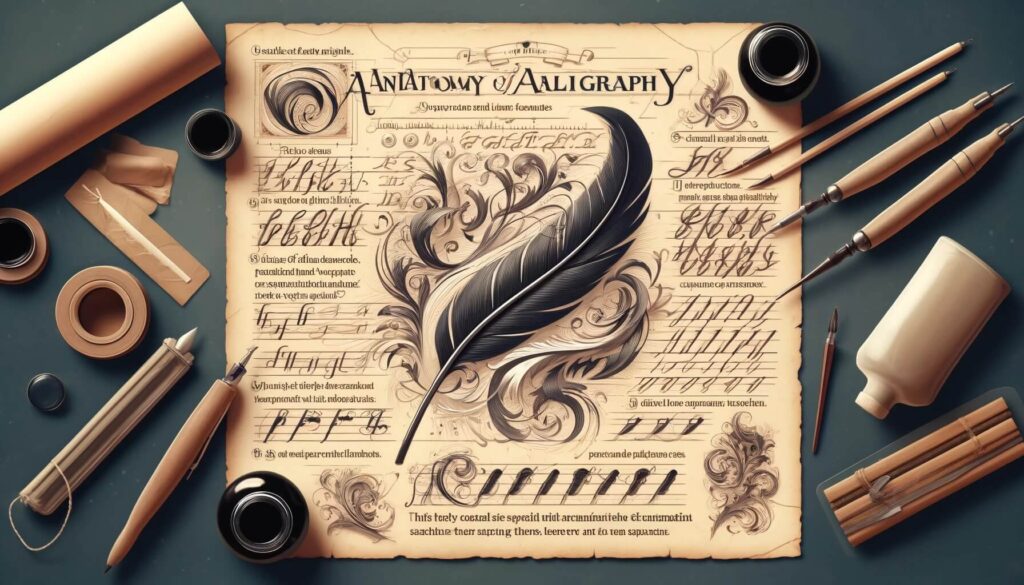
Delaware’s cultural identity is a blend of Native American traditions, colonial history, and diverse immigrant communities. As such, the preservation and promotion of heritage arts are critical to honoring this rich legacy.
Calligraphy and drawing are widely used in:
- Public exhibitions and festivals
- Historical re-enactments and archives
- Art education programs in schools and colleges
- Civic projects like murals and community art installations
These practices help bridge generational gaps and give voice to underrepresented stories in Delaware’s cultural narrative.
Global Impact: Calligraphy and Drawing Beyond Delaware
Outside of Delaware, calligraphy and drawing remain powerful tools of cultural preservation and innovation. In places like Japan, India, Morocco, and Iran, calligraphy is not only taught but revered as a sacred art form. Similarly, drawing is employed in anthropology, archaeology, and visual journalism worldwide to document cultural evolution.
Artists and educators around the world are now collaborating through digital platforms to exchange techniques, share heritage stories, and preserve endangered scripts and symbols.
The Role of Arts in Cultural Education
1. Strengthening Community Identity
When communities embrace traditional arts, they reinforce their shared values and collective memory. This identity-building fosters pride and resilience, especially among younger generations.
2. Encouraging Intergenerational Learning
Calligraphy and drawing workshops often bring together people of all ages, enabling elders to pass down skills and stories in meaningful, hands-on ways.
3. Enhancing Creative Problem Solving
These art forms require deep concentration and creative thinking, which are crucial skills in today’s fast-changing world. Students trained in traditional arts often develop stronger critical thinking and emotional intelligence.
Synergy With Other Traditional Arts
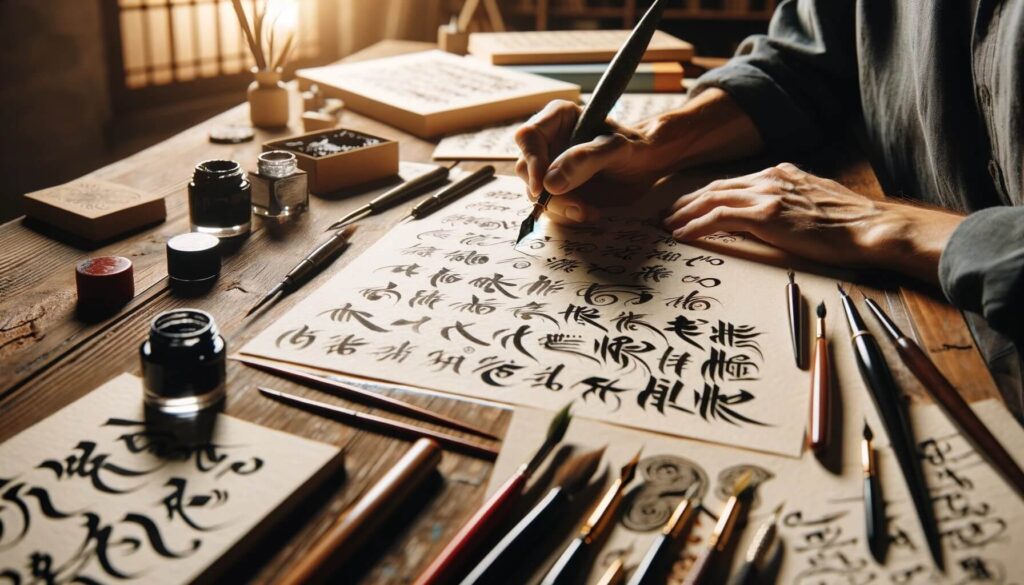
Calligraphy and drawing are often at the core of other artistic practices, including printmaking, painting, and textile design. In fact, they are foundational skills in the world of fine arts. Artists like Evan Lindquist, known for his masterful engraving and printmaking, often integrate strong draftsmanship and hand-lettered details into their works.
Revitalizing the Arts Through Digital Platforms
Today, digital platforms offer an incredible opportunity to promote traditional arts globally. From YouTube calligraphy tutorials to Instagram sketch challenges, artists are using technology to:
- Share techniques
- Connect with international peers
- Promote local exhibitions
- Offer online classes and workshops
In Delaware, artists are leveraging these tools to bring cultural arts into the digital spotlight, making them accessible and engaging for new audiences.
How You Can Get Involved
Whether you’re a student, teacher, or simply an art enthusiast, there are many ways to engage with calligraphy and drawing:
- Attend local art workshops and exhibits
- Support cultural art programs and nonprofits
- Start a personal sketchbook or calligraphy journal
- Learn about traditional scripts and their cultural meanings
- Visit platforms like Evan Lindquist’s blog for tutorials and insights
By participating in these activities, you not only develop new skills but also contribute to the living tapestry of cultural heritage.
Conclusion
Calligraphy and drawing are far more than decorative arts. They are threads that weave together the fabric of cultural heritage — not just in Delaware, but across the globe. By preserving and promoting these practices, we connect with our history, inspire future generations, and celebrate the power of the human hand and heart in a digitally-driven world.
As you explore the intersections of tradition and innovation, don’t forget to dive into our companion article on Printmaking in the Modern Age — a powerful look at how classical techniques continue to shape the creative world.
Together, these artistic disciplines form a vital foundation for education, cultural preservation, and creative expression.