


In an era dominated by screens, instant imagery, and digital downloads, traditional printmaking may seem like a fading art. However, for artists, collectors, and cultural enthusiasts, classical printmaking techniques continue to inspire awe and demand appreciation. As modern tools evolve, there’s a renewed interest in preserving the meticulous craftsmanship behind engraving, etching, and relief printing. This article explores how printmaking in the modern age both adapts to and celebrates its roots — making timeless art relevant once more.
What Is Classical Printmaking?
Printmaking is a form of art that involves transferring an image from a matrix (typically a metal plate, woodblock, or stone) onto paper or another surface. Unlike digital prints, traditional prints are handcrafted, each stroke etched or carved by the artist themselves.
Some of the oldest and most respected printmaking methods include:
- Engraving
- Etching
- Woodcut
- Lithography
- Drypoint
These techniques require precision, patience, and a deep understanding of line, depth, and composition — all of which are central to the works of renowned artists like Evan Lindquist, a master printmaker whose techniques continue to educate and influence today’s creatives.
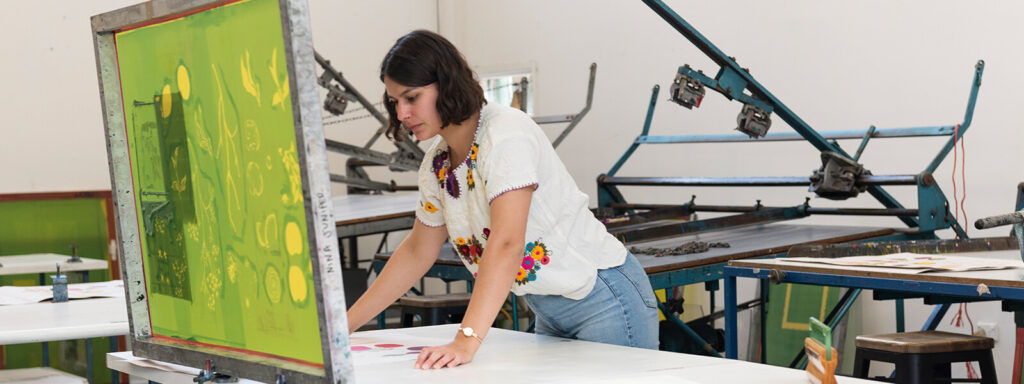
Printmaking Meets the Digital World
Despite the rise of digital design software and printing technologies, classical printmaking is not only surviving — it’s thriving in new and creative ways.
1. Digital Tools Enhance Traditional Techniques
Contemporary artists now use digital sketching tools to plan out their engravings before transferring them onto plates. These tools allow for multiple iterations without wasting physical materials. Once the design is finalized, it’s manually engraved using time-honored techniques.
2. Online Platforms Expand Reach
Thanks to websites and social media, artists can now showcase and sell limited edition prints to global audiences. Galleries, once bound by physical location, are now digital — opening the door for more people to explore, appreciate, and purchase hand-pulled prints.
3. Educational Access Has Improved
Online courses and blog platforms (like Evan Lindquist’s) offer students of all ages access to printmaking tutorials, history, and commentary. Knowledge that was once passed down only through workshops or studio apprenticeships is now available with a few clicks.
Preserving the Legacy of Fine Line Engraving
While technology has streamlined many aspects of artistic creation, there’s still no replacement for the tactile satisfaction of carving a line or pulling a print by hand. Classical methods remain deeply valuable for their role in cultivating discipline, technique, and artistic identity.
Artists who continue to practice these methods today serve as vital links to centuries of tradition. In fact, the resurgence of interest in hand-crafted art reflects a broader societal movement toward authenticity, mindfulness, and sustainability.
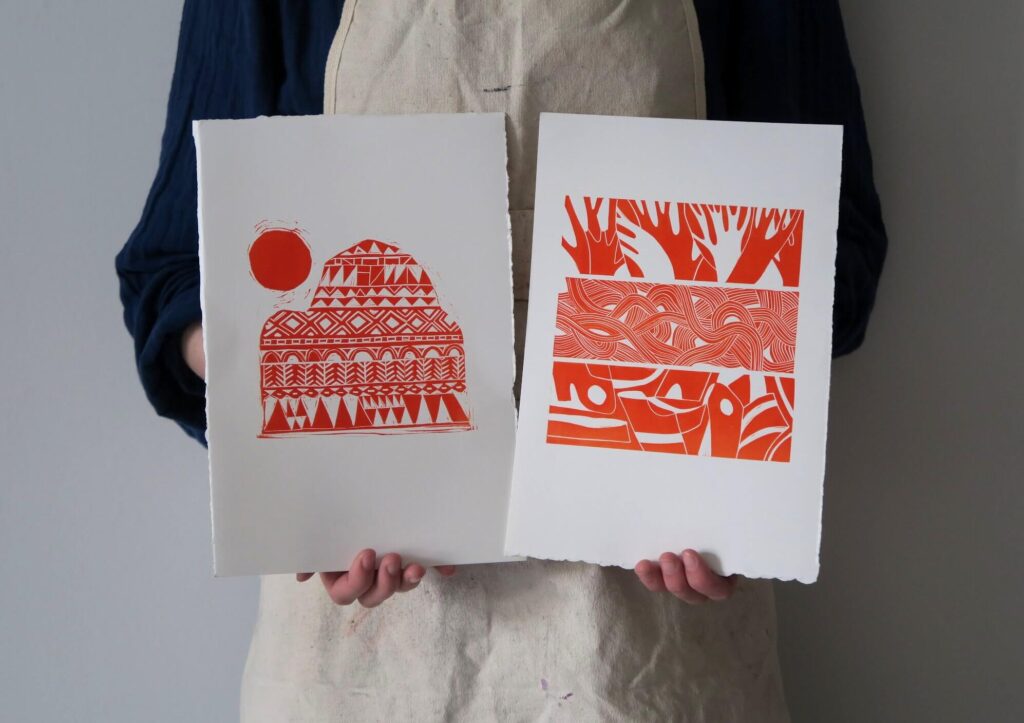
The Role of Printmaking in Cultural Identity
Printmaking has long played a role in shaping national and local identities. From political posters to book illustrations and religious iconography, prints have been used to spread ideas, influence opinion, and preserve cultural narratives.
In the context of Delaware’s cultural development, traditional arts like printmaking serve not only as creative outlets but also as educational tools. They connect younger generations to the history and heritage of the region.
For those interested in how drawing and calligraphy also contribute to cultural heritage, we recommend reading our companion article: Calligraphy and Drawing Enrich Cultural Heritage
Why Printmaking Matters More Than Ever
Although digital design offers convenience, it lacks the tangible, textural richness that printmaking provides. Today, artists and collectors are rediscovering the value of analog art in a digital world.
1. Each Print Is Unique
Even in a limited edition, each print bears subtle variations. The ink distribution, paper texture, and manual press pressure can all affect the outcome — making each piece truly one-of-a-kind.
2. It’s a Meditative Process
Unlike the instant gratification of digital tools, traditional printmaking is slow, deliberate, and meditative. This makes it not only an artistic process but also a form of personal reflection and expression.
3. It Encourages Sustainability
Many printmakers use recycled paper, water-based inks, and traditional tools, reducing the carbon footprint associated with modern digital printing.

Challenges Faced by Printmakers Today
Despite its many strengths, printmaking faces challenges in the modern age.
- Material Costs: High-quality plates, inks, and presses are expensive.
- Studio Space: Presses require space and often can’t be accommodated in small studios or apartments.
- Public Awareness: Many people still don’t fully understand the process or its significance, limiting appreciation.
However, these challenges also offer opportunities for innovation — like community print studios, cooperative art spaces, and educational collaborations that introduce printmaking to wider audiences.
The Future of Printmaking: A Hybrid Path
The most exciting aspect of today’s printmaking is its hybrid evolution. Artists are blending classical methods with digital enhancements to create new visual languages. For instance:
- A design might be digitally illustrated but hand-etched.
- A traditionally printed work might be color-enhanced using digital techniques.
- 3D modeling tools can assist in planning layered or multi-plate compositions.
In this way, printmaking in the modern age becomes not a relic of the past, but a living, evolving art form — one that honors tradition while embracing innovation.
How to Get Involved
If you’re inspired by this art form and want to explore more:
- Take a workshop at a local print studio or online course
- Follow contemporary printmakers on social media for inspiration
- Start small with linocut or woodblock printing at home
- Explore educational platforms like Evan Lindquist’s website for articles, techniques, and historical insights
Whether you’re a beginner or a seasoned artist, printmaking offers a rich, meaningful experience that connects you to centuries of artistic excellence.
Conclusion
Printmaking remains one of the most expressive, disciplined, and profound forms of art — even in the digital age. By embracing digital tools while respecting classical methods, today’s artists are creating powerful works that blend tradition with innovation.
On platforms like evanlindquist.com, you’ll discover that printmaking is far from obsolete — it’s a bridge between our artistic past and our creative future.
Print by print, line by line, this timeless art form continues to leave its impression — literally and figuratively — on modern culture.